The 10-20-30 rule for trees is a planting guideline that helps prevent a property, neighborhood, or city from relying too heavily on closely related trees. It states that a tree population should include no more than 10% of one species, 20% of one genus, or 30% of one plant family.
Quick recap
The 10-20-30 rule means no more than 10% of one species, 20% of one genus, or 30% of one plant family. It helps reduce the risk of widespread tree loss and supports healthier long-term canopy diversity.
For property-specific tree guidance in Lake City, contact Gateway Tree Service at (386) 515-7292. An inspection helps match tree decisions to the site, tree condition, and long-term landscape goals.
What the 10% species rule means
The 10% part means no single tree species should dominate the planting area.
A species is the exact type of tree. For example, if too many of the same oak, maple, or pine species are planted together, one pest or disease could affect a large share of the trees at once.
This rule does not mean every tree must be different. It means tree choices should be balanced enough to avoid overdependence on one exact type.
What the 20% genus rule means
The 20% part focuses on the tree genus.
A genus is a group of closely related species. For example, several different maple species belong to the same genus. Even if the exact species are different, related trees may still share similar weaknesses.
This matters because some insects or diseases do not stop at one species. They may affect several related trees in the same genus.
What the 30% family rule means
The 30% part applies to the broader plant family.
A plant family includes multiple related genera. This is the widest part of the rule. It helps prevent a landscape from being too dependent on trees that are botanically related.
For homeowners, this can be useful when planning new trees after removals, storm damage, or landscape upgrades.
Why the 10-20-30 rule matters
The main goal is resilience. A mixed tree population is less likely to suffer major losses from one pest, disease, or environmental stress.
The rule is commonly used in urban forestry because cities often plant large numbers of trees in streets, parks, and public spaces. Researchers have also found that the logic of the 10-20-30 rule aligns with accepted biodiversity metrics, which supports its use as a practical planting guide.
The rule is not perfect. It does not replace site-specific tree selection, soil evaluation, drainage review, or local climate knowledge. It is best used as a simple guide for making better planting decisions.
How it applies in Lake City, FL
In Lake City, tree choices should fit North Florida growing conditions. Heat, rainfall, storms, soil conditions, and available space all matter.
The 10-20-30 rule can help property owners avoid planting too many of the same trees in one area. It is especially helpful for larger properties, commercial sites, neighborhoods, and municipal planting plans.
For a single residential yard, the idea is simple. Do not replace every removed tree with the same type. Choose species that fit the site while also adding variety.
Professional tree guidance in Lake City
A tree professional can help identify existing trees, evaluate spacing, and recommend whether a site has too much of one tree type.
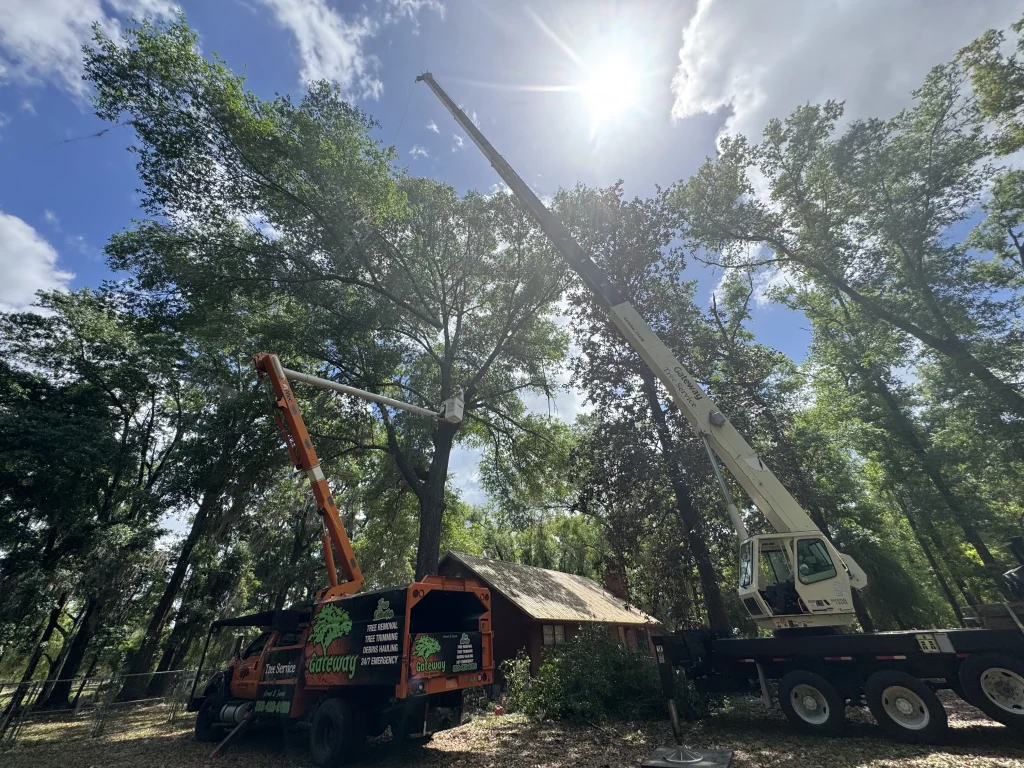
Gateway Tree Service can help property owners understand tree condition before making planting or removal decisions. Learn more through the tree service in Lake City, FL page.